Adding Synergy to you Communication with your Partner with Dr. Ray and Jean Kadkhodaian

Adding Synergy to you Communication with your Partner with Dr. Ray and Jean Kadkhodaian Love Vitamins for Life

In our conversation with relationships coaches and experts, Dr. Ray and Jean Kadkhodaian, share their personal stories and many frameworks to help people build healthier relationships, listed below 👩‍❤️‍👨 Time for Hearts – Relationship Check Ins 3️⃣ Things you can do to change your relationship right now. Spoiler: Something new, Surprise each other, Sleep naked ⏳ Finding time and building deeper connections with your partner 🤕 Dealing with conflicts and pain – Comfort vs Discipline 🪴 Individual Growth LoVita – Love Vitamins for a healthier is a community by Partners for Partners. We share stories about how Partners are working intentionally towards building a healthier relationship. To learn more check out the links below 🔗 Website – https://lovita.blog/ Newsletter – https://mailchi.mp/81f58463e76b/subscribe Instagram – https://www.instagram.com/lovitalovevitamins/ Facebook – https://www.facebook.com/lovitalovevitamins All below links in a single page – https://linktr.ee/lovitalovevitamins Connect with Dr. Ray and Jean Kadkhodaian Website – https://couplessynergy.com/ Instagram – https://www.instagram.com/couplessynergy/ Facebook – https://www.facebook.com/couplessynergy/ Twitter – https://mobile.twitter.com/drrayandjean

Dr. Ray & Jean have been married since Valentine’s Day in 1998, and in 2002, they Co-Founded the Lighthouse Emotional Wellness Center, a counseling center in the Chicagoland area. They created and perfected a unique approach to coach couples to have amazing relationships, called Couples Synergy, and have helped thousands of couples transform their relationships. When it comes to relationships, they believe that they cannot teach it unless they live it. They are a real couple who have worked hard to create an amazing relationship through the difficult challenges life brings us all. They cohost the podcast, Couples Synergy: Real Couples, Real Storie… Real Relationships. Dr. Ray & Jean help couples create the relationship of their dreams, with the partner they fell in love with!

The quotes below are taken from the episode transcription and might have some minor errors or missing words.

Relationship Check Ins – Time for Hearts

When asked about the value of doing regular check ins in a relationship and how to check in with your partner, Dr. Ray had the below to share

It’s not a surprise that we are all locked up in our head, right? We are ultimately alone in our experience, our human experience, and it is very common for couples to feel alone, even within a loving, committed partnership. And if couples are not checking in with each other. And getting to know their partner, where they’re at in that moment, then we lose that opportunity of consistent evolution together. And so that check in is not just about, how you doing, but it’s really about what is, what is your experience right now in this world, in this moment.

And so one of the things, we definitely do. As a check in and as a show of affection towards each other, is that we always start and end the day off with a show of affection, of an embrace, so the first thing that you’re doing in the morning when you wake up is you are starting that day off with an embrace with your partner, and that the last thing you do at the end of the night is you are closing out that day with that embrace.

Jean adds that this a practice in time that they call as time for our hearts to have a conversation

And it reduces anxiety, it reduces depression, it increases oxytocin and the bonding hormones. So it just makes you feel better. And there are certain days we don’t get to do it cuz like we gotta catch a plane or something and we feel off. All day.

Deeper Connections

We touch on the above need for check ins in a relationship as a trigger and not necessarily a long conversation. On the topic of how to get to a deeper level if there is something that needs to be discussed in more details, Dr. Ray shares the below

A lot of times people have the cart before the horse. Think that when I have a conversation with my partner, I’ve gotta jump into the deep stuff, and so what happens is they, they have this long periods of time where they are not connecting with their partner. And then when they do have that time now, they try to stuff all of these deep conversations into a small period of time. Typically, it’s maybe a vacation. They’re not spending time together, they don’t have quality time. And then they say, well, you know, when we go on vacation in a month, then we can connect. And then what happens is they go on vacation and then everything that’s stuffed in the closet comes out. They end up in a fight.

So it’s, it’s the, the smaller touch points, the smaller connections that add up. To be able to have , those deeper conversations. And by that time you already are connecting with each other, priming each other, understanding all of the different dynamics that are occurring. So when you are having the deeper conversation, half of it is already done.

To summarize: Check-ins really are like cashing into your emotional bank account. They are creating deposits of happiness and love and care and affection, which you are then able to leverage as that healthy foundation for when you do need to have those deeper conversations. But the concept of a daily check-in doesn’t need to be a conversation per se. It could be something more, a little bit more intimate, like a physical touch, which is what the embrace example is kind of catering too. Usually when we think of check-in, our brains automatically does go to a conversation like, “oh hey, how’s your day doing?” Or “How’s your day been?” Or “you seem a little off, you wanna talk about it?”

Finding time with your partner

If there is a conversation that you do wanna have on a deeper level, how do you get alignment from your partner? What sort of techniques do you use to get each other’s attention? Do you block some time on your shared calendar, if you have any or anything else? Jean shares

This idea of time, we hear it all the time. That We don’t have time. We very rarely spend time on screens. So once our day is done, we typically go outside, we have a fire and we talk, or we have records if we’re inside, cuz it’s cold out and we listen to records and we talk and we do this five times a week. We’ve always enjoyed doing stuff like that more than, being distracted by something. Those allow you to have those more organic conversations.

Dr Ray adds

I think that it depends for each couple, for some couples. Maybe they do need to schedule a time to talk and they say, Hey, if you got some time this week, I really want to connect. I really want to talk some things out. And that might be okay for that couple, but for another couple, that actually might be a trigger, it may be a way of having power and control over each other. It may be a way of putting off your partner. So it really comes down to each couple. How each couple needs space and time, emotional consideration in order to have those deeper conversations. So the investment in the account is happening separate from the rebuilding and the healing.

We all know that the most successful people in the world, they always talk about meditation and starting their day out. Because we need to be able to center ourselves before we, go out into the world and, and deal with everything that we’re being bombarded with. Well, now you have the complication of two people coming together and, having different needs. And how do you find that that sync between the two of you when the world is going to be affecting you in many different ways.

The research says: that couples should be spending a minimum of five to six hours of quality time per week, and that is without screens. So it’s not even cuddling up and watching the same show together. That doesn’t count. Or going out with another couple that doesn’t count either. It’s spending that time connecting and bonding and talking about each other’s experiences through this world.

3 THINGS YOU CAN DO TO CHANGE YOUR RELATIONSHIP RIGHT NOW

To get to a better future and change your relationships, Dr. Ray and Jean explain 3 things you can do right now

1️⃣ Do something new, exciting and thrilling together.
When focused on an activity, especially if something new, allows you to bond at a different level. For a while it substitutes the labels of you being partners for being friends and lets you stay away from bigger topics and just focus on having fun.

2️⃣ Surprise each other
Surprising each other is a really good way to add to that connection so that you can get into the more difficult stuff later. Surprises can add that missing spark and help you communicate how much you care for each other

3️⃣ Sleep naked together
Yes, sleeping naked. Shocker right. Experts found 57% of couples who slept in the nude claimed to be happy together, compared with 48% of those in pyjamas, 43% of nightie wearers and 38% of those in onesies.

These three things shared, remind us of the concept of reconnection through recalibration. A jolting of your system by doing things that you don’t normally do, a complete opposite of monotony. By introducing these elements into our everyday life, we make it easier to talk about the harder stuff later.

Dealing with Conflicts

On the topic of dealing with conflicts and tips on solving the problems in relationships, Jean suggests.

What we focus on grows and the human brain is designed to seek out negativity or potential threats much faster than something positive and so people wanna talk about the problem instead of where do we wanna reach for.

When we’re first interviewing a couple, we ask them, “if you had a magic wand, how would you like your relationship to be?” And sometimes they’ll say, “well, I don’t like that.” We’re not doing this. Like, no, what do you want? that place. Which then it’s like if, if you get that agreement that you both have a common vision of where you wanna be, well then you can work backwards and and reverse engineer it. If you start focusing on the positive stuff what you like about your partner, what they’re doing well, it’s easier for you to do more positive stuff and you’ll see more. And that is the momentum because the other stuff, we don’t have to practice.

When you think about in the beginning it’s what can I get? And the longer you’re together and the more common experiences you have, the more your brains mirror each other. Cuz our brains are designed to do that. And so then you want to say, what can I give? Because if I give him something that makes him happy. My brain becomes happy too. If I give him grief, I get grief. You can feel what your partner’s feeling and it’s not so selfish anymore. And, and the selfishness in the beginning, it’s not good or bad, it’s just the way we’re wired. It’s the way we’re designed, and as we mature, we care more about making sure they’re. because we can’t be happy if they’re not happy.

When we’re younger, we can, when we’re younger, we think, you know, I can keep score and I can win and, and my partner’s gonna lose and I’m gonna win. you don’t keep score with your teammate.

Dr. Ray adds

The fact of the matter is conflict is inevitable in every relationship. We can expect it to happen. We just don’t know when or where, but it’s gonna happen. Analogy I use when it comes to conflict is that it, it’s like a credit card bill and the the bill is always gonna be due. And the choice you have at that point is whether you’re gonna pay it now or you’re gonna pay it later with interest? This calibration has to happen. It has to happen consistently. When you are focusing on the problems, then that is what you’re gonna create more of.

Keeping Love Exciting and New

In the beginning of a relationships, everything’s new and exciting. You’re interested to learn more. But as you spend more time with your partner, your frequency tune in sync and the sense of security makes you start feeling comfortable. So how do we keep exploring and how does one keep maintaining that curiosity, that mysteriousness within each other?

What is it that you do to keep exploring and how do we keep maintaining that curiosity that mysteriousness within each other? Let us know in the comments below. Listen to the episode to learn about our guests story and learn what they do to keep the fire burning.

Comfort vs Discipline for Dealing with Pain

Jean shares an analogy of comfort and discipline. We notice a trend here, which is that a relationship is built over time and discipline. That component of showing up, checking in with your partner, doing the fun activities, creating that organic space that’s disconnected from tech to be able to have those deeper conversations. All of these are forms of discipline so that eventually one day when that fire say, diminished a little bit, instead of feeling like “everything’s breaking apart and I don’t know what to do”, you can be like, “hey, I have a feeling that things are getting a little bit cold in this relationship. Can we do something about it?” All of the work that you would’ve done previously enables you to then have a successful and healthy conversation at the end. But really it’s the building up of those smaller things that we do every day, rather than taking the easy way out and choosing the route of comfort and being like – oh, I don’t need to worry about this.

When we’re in pain, we have two choices. The first choice is to comfort ourselves so we drink, eat, stuff we shouldn’t eat, watch tv, distract ourselves. All of those things make us numb. and make us sicker over time. so the pain comes, I hurt my back. I’m gonna take a pill and lay on the couch. Well, now my muscles are getting atrophy. And, and you need more and more of that comfort stuff. And you get less and less sensitive to the subtle pain where you could actually do something. The other thing you can do when you’re in pain is discipline. Really takes discipline to love another human. takes the discipline of, if we are using the back as an example, I gotta go to physical therapy and it’s gonna hurt and I’m gonna push through it and I’m gonna get stronger and I’m gonna heal and I’m gonna get you joy. comfort leads to temporary pleasure that goes away where doing the discipline consistently leads to a joy and, and a feeling of safety in the. And connection, and you cannot have that without work. You have to know yourself. You have to know your partner. You have to invest, you have to do your work just in the same way, taking care of your body.

Individual Growth

First we talk about how to channel your pains and communicate with your partner without assigning blame, to which Dr, Ray says

You can’t prevent that from happening. You are going to dish out blame from time to time. It doesn’t matter how, how peaceful a person you are, at some point it’s gonna happen. And that’s, that’s, it’s one of the rules that we came up with when we did the hike. You know, we, we hiked 180 miles. It was grueling. We crossed 10 mountain passes, all our food survival gear on our backs, and the first thing we noticed is that when you go through difficult times, you go through pain, you go through discomfort, the first thing you’re gonna do is you’re gonna blame your partner. Yeah. It’s just, it’s just what happens. You know? It, you, your partner is your closest, the closest human. The closest connection you can have to another human being, physically, mentally, spiritually, emotionally. And so when we hurt on the inside, we have to get it out. Yeah. And the first thing that that we’re gonna do is it’s gonna go at our partner.

Jean adds

It’s really important when your partner does blame you to not take that personally as best as possible. And also to to understand everything is a 50 50 in a relationship, meaning that you’re both contributing equally to what’s going. And so the question I always ask myself is, what is it about me that chooses to hang out with someone like this? Ha. if this is not that pleasant in that moment. So what, what have I done to teach him how to treat me? What, what boundaries do I need? What, what do I need to show up at? Maybe nurture him because he’s hurting and I’m treating him in a way that maybe someone else did and, and I’m activating that and, and. Tricky things to figure out and they require a lot of calmness. Yep. That you don’t have initially in blame. When you’re in blame, you can’t figure that out. Your brain doesn’t even work. You’re just like, what? You’re, you’re in fight or flight and it doesn’t work. And then later you can dial it back and you can look at what, what’s going on here? And typically if you’re the person who, you know, stepped on your partner and they got a reaction, Blasted you, you didn’t even know you did it. And you’re like, what, what did you hear me say? And it’s like the telephone game. They’re hearing something that they heard 20 years ago. And if you take that personally, you keep it up at the surface and now you’re fighting about whatever toilet paper, right? not about that. It’s about what it brings up. And that’s true for all of us.

Iceberg Moments

Dr. Ray explains the above with an example and something they call Iceberg Moments

Those moments where you’re in pain and. Have this need to blame your partner. Or that it happens. It is something we call iceberg moments, and you think about an iceberg, 15% above the water, 85% under the water. And when, when each of us as individuals go through something painful it brings up something from our past that 85% under the. And we are dishing out a hundred percent onto our partner when maybe they’re only part 15% part of what the issue is. And so when couples do that deep dive and they really start understanding more and more about their partner and where they came from and what they brought with them, it’s easier than. Like easy at all. But it’s easier to see that moment as an iceberg moment, and to not take it personally. Oh, my partner is hurting right now. And what’s being brought up for them is this whole past history that I was not part of, but it’s being played out in the moment.

Jean adds

and you’ll always attract a partner. Who knows exactly how to smash into your iceberg because your iceberg smashes into theirs and if it didn’t, you probably wouldn’t have a relationship. And so it’s designed that way because we get wounded through relationship and we heal through relationship. And so we come with all our wounds and no one teaches us how to heal that. And a lot of it is very unconscious. We’re not very aware of why we’re so activated by someone. and it’s, it’s that discovery that can lead to a deep sense of healing between two people. That’s where the work is and it’s, it’s incredibly beautiful and most often when we first meet a couple, they’re saying, if my partner would just change this, I’d be fine and of course it’s never about that, but they don’t even know that. They don’t even know what it’s really about. And, and that discovery of bringing that deeper stuff up into consciousness, I think someone said we learned how to have a conversation we didn’t even know we were supposed to have. Mm-and it takes that type of, eyes to see it. We can’t see it. Just if two people are so close, they can’t and you have to get that distance and sometimes that pain can give you some distance to understand yourself and then to come back to your partner and go, this is what I discovered through that.

Walkabout – Conversation with yourself

We then talk about our last topic of how do you work on your own individual self and Jean sheds her insights on this with a practice they call Walkabout.

There’s an exercise we practice and we give to people, and that is to go on a walkabout. And a walkabout is 48 to 72 hours. By your to go somewhere you’ve never been and you can’t have any agenda. You have to feel what you feel at any given moment. Are you hungry? Go find food. Do you wanna sleep? Sleep? Do you want to learn something? Go out in nature, whatever you wanna do. And people are so scared, they’re like, well what if I don’t wanna go home in the end? Or what if my partner doesn’t wanna come back? We’ve never seen that happen, but I’m sure it could. But we don’t have that type of time cuz the. 24 hours, you’re just all in your head. And then it starts to go, and then you can have a conversation with yourself in, in, in a bigger part of yourself, a higher self and the universe. And then you can come back. And I do it when I’m angry. You, you do it more regular, like as a schedule. Right. I’m a runner, so that’s kind of my process. Right. But, but it’s a difficult thing. Absolutely impactful.

Dr Ray then shares a beautiful idea below. It is scary to ask because a lot of the times, people are afraid of what they’re going to find. If they do take the time to have that conversation with themselves, they’re afraid of the scary things that might come up and therefore the reckoning that they’ll have to do. By embedding this as a daily practice, it becomes a little bit less scary and you don’t have to indulge in it or schedule time and make it into the special big thing. You can also just piecemeal it and that makes it a lot less scary and therefore just a part of your everyday life. And that’s how you’re able to bring not only the best of yourself to the relationship, but also help yourself grow in the process.

The whole point is to completely, unplug, to disconnect yourself from, the monotony of life and everything that is. All the pressure that you have. So you can’t be online. , you can’t be on your phone, you radio, read books, drink. If you check into a hotel, you can’t watch tv. You can’t listen to the radio while you’re driving. you can’t talk to anyone either. Mm. So you know, you can order at a restaurant if you’re going to. Or you could check in a hotel, but from that point forward, you don’t have conversations with people because that is gonna pull you outside of yourself, and we need that time within to really understand our insecurities. And, the things that we wrestle with, Carl Young talked about it being the shadow, the shadow. Part of ourself that we hide from the world, and if we don’t understand that and our focus is just on removing it, well, it is going to permeate into our relationship for sure.

Connect with Dr. Ray and Jean

Website – https://couplessynergy.com/
Instagram – couplessynergy
Facebook – couplessynergy

Creating a Shared Relationship Vision with your Partner using Deal Breaker Questions

Creating a Shared Relationship Vision with your Partner using Deal Breaker Questions Love Vitamins for Life

In this episode, we bring to you a quick and easy free at home date night idea called creating a Shared Relationship Vision. It doesn't matter if you're just starting your relationship or you've been together for several years, it's never too early or too late to sit down with your partner and talk about what you aspire from your relationship. This is why we came up with a list of deal breaker questions. By taking the time to go through these questions, you can create a Relationship Vision that you and your partner are willing to invest in. List of deal breaker questions: https://tinyurl.com/lovita1 Takeaways 1️⃣ We believe that a discussion around a Shared Relationship Vision should be a recurring exercise, perhaps even a Tradition. People and their priorities change over time. This exercise can keep partners in alignment. 2️⃣ Just because you and your partner share different perspectives doesn't mean that you are not on the same page. This activity is all about helping you understand your similarities and differences, and if and whether you want to invest your time in addressing those gaps and remember. Remember – It's okay to disagree. Our inspiration for the activity was from our previous conversations with Brendan Kumarasamy, a communication expert and Victoria Raider, a possibility coach on their take on the value of working towards a Relationship Visions. Links below 🔗 https://lovita.blog/2022/11/11/unleash-prosperity-in-your-relationship-with-victoria-rader-a-possibility-coach/ https://lovita.blog/2022/08/29/communicating-relationship-boundaries-with-brenden-kumarasamy/ LoVita – Love Vitamins for a healthier is a community by Partners for Partners. We share stories about how Partners are working intentionally toward building a healthier relationship. To learn more check out the links below 🔗 All below links in a single page – https://linktr.ee/lovitalovevitamins Website – https://lovita.blog Newsletter – https://mailchi.mp/81f58463e76b/subscribe Instagram – https://www.instagram.com/lovitalovevitamins Facebook – https://www.facebook.com/lovitalovevitamins

Shared Relationship Vision

Today, we are sharing a quick and easy free at home date night idea called creating a Shared Relationship Vision.

It doesn’t matter if you’re just starting your relationship or you’ve been together for several years, it’s never too early or too late to sit down with your partner and talk about what you aspire from your relationship. This is why we came up with a list of deal breaker questions. By taking the time to go through these questions, you can create a Relationship Vision that you and your partner are willing to invest in.

Intention

This concept of a shared relationship vision has come up again and again as we interviewed relationship coaches and experts for our podcast. In our conversation with Brendan Kumarasamy, a communication expert, he brought up the concept of a shared Relationship Vision as a way to get on the same page. When we talked with Victoria Raider, a possibility coach, she brought up the concept of establishing a Shared Relationship Vision as a way to either find your soulmate or save yourself years of misery. We thought let’s be explicit about this and practice it for ourselves.

Things you need

📝 A list of Deal Breaker Questions. (Some sample questions available on Framework Relationship Vision. You can a complete list for free that we used)
🤫 A private and quiet space to have a conversation with your partner

Rules

Take a few moments to look over the list of questions you gathered and collect your thoughts. Then go ahead and set the space and environment for the conversation. Remove any distractions like cell phones. If you have pets or kids make sure that they are entertained so you don’t get interrupted.

Feel free to break up the questions into parts or segments . So you can take breaks in between as well.

Our Discussion

Listen to the episode for our conversation around the below topics

  1. What do you consider cheating? In the context of a relationship
  2. Do you have my back no matter what?

Takeaways

1️⃣ We believe that a discussion around a Shared Relationship Vision should be a recurring exercise, perhaps even a Tradition. People and their priorities change over time. This exercise can keep partners in alignment.

2️⃣ Just because you and your partner share different perspectives doesn’t mean that you are not on the same page. This activity is all about helping you understand your similarities and differences, and if and whether you want to invest your time in addressing those gaps and remember. Remember – It’s okay to disagree.

Experiment with a few different Deal Breaker Questions that suite your relationship. Let us know what you think about the date night activity in the comments below and share your story.

Photo Stories – Quick & Fun Date Night Idea

Photo Stories – Quick & Fun Date Night Idea Love Vitamins for Life

A quick and easy, free, at home date night idea. Here’s how the activity works – Each person takes turns to click photos from your phone or camera to make a story in 2 minutes. So, if you are the storyteller first, your partner will have to leave the room and set a timer for 2 minutes. In that time, you'll use your phone or something to click photos. These photos can be of yourself, or any objects as props around you. After 2 minutes your partner will come back into the room and look at your photos as a slideshow and try to narrate the story. Once they're done, you'll share what you had in mind. Then take some time to discuss the differences and similarities. When done, switch roles. Do this in parallel if you have different rooms available. Things you need 🤳 A phone or camera to click photos with ⏱ Something to keep track of time. Rules 1️⃣ You have 2 minutes 2️⃣ Use selfies and things around you as props 3️⃣ Click photos and share your story Takeaways 1️⃣ This was a great activity to see your partner's perspective. It's very unlikely that both of you are going to have the exact same story or even something close to it. So this gives you an opportunity to see how your partner sees the world and how they interpret it versus how you do and then talk about it and get to know each other. 2️⃣ Introducing or reintroducing the idea of play. As we grow up and become adults, quote unquote, with responsibilities, it's very easy to stop prioritizing the concept of play, but the role that it plays in our relationship is bringing back lightheartedness and re-introducing opportunities for you and your partner to connect with that same childlike enthusiasm. Curiosity and playfulness that you used to when you were a child. Everyone likes to take pictures or see pictures that others have taken. Communicating with photos has two layers – the first: what the photographer perceives, and the second what the viewer conceived. This date night activity combines both of these ideas to play with your partner, get creative – and learn what kind of stories we tell ourselves. The point of this is to enforce that your partner is not the same person as you. Even though they might see the same things as you do, they interpret it differently. This is an exercise to appreciate each other's creativity, and get to know their thought process a bit better. Depending on how much time you have to spend, you can deep dive on the “whys” and “hows”. LoVita – Love Vitamins for a healthier is a community by Partners for Partners. We share stories about how Partners are working intentionally toward building a healthier relationship. To learn more check out the links below 🔗 All below links in a single page  – https://linktr.ee/lovitalovevitamins Website – https://lovita.blog Newsletter – https://mailchi.mp/81f58463e76b/subscribe Instagram – https://www.instagram.com/lovitalovevitamins Facebook – https://www.facebook.com/lovitalovevitamins

Activity

Time: 2 minutes

Cost: Free

Today, we are sharing a quick and easy – free, at home date night idea. Everyone likes to take pictures or see pictures that others have taken. Communicating with photos has two layers – the first: what the photographer perceives, and the second what the viewer conceived. This date night activity combines both of these ideas to play with your partner, get creative – and learn what kind of stories we tell ourselves.

Here’s how the activity works – Each person takes turns to click photos from your phone or camera to make a story in 2 minutes. So, if you are the storyteller first, your partner will have to leave the room and set a timer for 2 minutes. In that time, you’ll use your phone or something to click photos. These photos can be of yourself, or any objects as props around you. After 2 minutes your partner will come back into the room and look at your photos as a slideshow and try to narrate the story. Once they’re done, you’ll share what you had in mind. Then take some time to discuss the differences and similarities. When done, switch roles. Do this in parallel if you have different rooms available.

Intention

The point of this is to enforce that your partner is not the same person as you. Even though they might see the same things as you do, they interpret it differently. This is an exercise to appreciate each other’s creativity, and get to know their thought process a bit better. Depending on how much time you have to spend, you can deep dive on the “whys” and “hows”.

Remember to relax. This is not a competition. Focus on making a story using pictures and have fun. Feel free to change the rules above as you like. Play for a win-win scenario where everyone wins.

Rules

  • You have 2 minutes
  • Use selfies and things around you as props
  • Click photos and share your story

For variations – limit to 5 or 10 photos instead of 2 minutes.

Things you need

🤳 A phone or camera to click photos with
⏱ Something to keep track of time.

Our Story

Scheduled to release on Instagram @lovitalovevitmains – The story of “How you Octi-pie my mind”

Takeaways

1️⃣ This was a great activity to see your partner’s perspective. It’s very unlikely that both of you are going to have the exact same story or even something close to it. So this gives you an opportunity to see how your partner sees the world and how they interpret it versus how you do and then talk about it and get to know each other.

2️⃣ Introducing or reintroducing the idea of play. As we grow up and become adults, quote unquote, with responsibilities, it’s very easy to stop prioritizing the concept of play, but the role that it plays in our relationship is bringing back lightheartedness and re-introducing opportunities for you and your partner to connect with that same childlike enthusiasm. Curiosity and playfulness that you used to when you were a child.

Experiment with a few different variations of the rules and have fun. Let us know what you think about the date night activity in the comments below and share your story.

Empowering Women in Relationships with Charlene Byars a Certified Empowerment Coach

Empowering Women in Relationships with Charlene Byars a Certified Empowerment Coach Love Vitamins for Life

In this episode, listen to Charlene Byers talk about masculine and feminine polarity, feminine embodiment and romantic relationships. She is an expert on male/female relationships. She shares her stories and learnings from her 25 years as a relationship coach. She talks about her struggles as a woman that she faced early on and how she was able to overcome them and build a healthy relationship with her husband. We explore the answer to the very important question of “How do Women Want to Feel in a Relationship?” Learn about the RAM (Relationship Attachment Model) Model and how it can help you in your relationships. In the full episode we go over the below topics 1️⃣ Impact of men around Charlene in her youth 2️⃣ The effect of that in her Relationships as an adult 3️⃣ Struggles of leaving the past behind 4️⃣ Slowing down to find alignment And much more… LoVita – Love Vitamins for a healthier is a community by Partners for Partners. We share stories about how Partners are working intentionally towards building a healthier relationship. To learn more check out the links below 🔗 Website – https://lovita.blog/ Newsletter – https://mailchi.mp/81f58463e76b/subscribe Instagram – https://www.instagram.com/lovitalovevitamins/ Facebook – https://www.facebook.com/lovitalovevitamins All below links in a single page – https://linktr.ee/lovitalovevitamins Connect with Charlene Byers Website – https://www.charlenebyars.com/ Tik Tok – @levelupforlove Instagram – mscharlenebyars Facebook – mscharlenebyars YouTube – Charlene Byars

Charlene Byars is a leading relationship expert, Certified Empowerment Coach, and women’s revolutionary mentor. She helps women heal their hearts and attract devoted, masculine men who want to be in a long-term relationship. She is on a mission to equip single, successful women with the tools they need to attract the man of their dreams.

In this episode, Charlene talks about masculine and feminine polarity, feminine embodiment and romantic relationships. She is an expert on male/female relationships. Her style is direct, entertaining, and she has a very dynamic personality. She shares her stories with us and learnings from her 25 years of relationship coaching experience. In our discussion she shares her story and we talk about her struggles as a woman that she faced early on and how she was able to overcome them and build a healthy relationship with her husband.

As a women’s coach she helps women find their person, heal from a past break-up, and level up their relationship with themselves and their lover. Something that motivates her to do her work is that, she has a very inspiring story – a long term relationship of 23 years with 4 kids in an abusive situation. When she realized she needed to leave, that’s when her journey towards the work she does today started.

The Past

Transcript from Charlene talking about her childhood and experience with men around her.

“When I was a little girl. Um, both of my parents are a Cuban, and so I am first Generation. So both my parents spoke Spanish. That’s my first language. And I, um, saw, you know, not my father because my mother and my father, they, um, divorced when I was about four years old. When I was a little girl, I saw the men in my life, um, really mean, really mean. So I grew up in an environment with a really mean stepfather, abusive stepfather who, you know, emotionally, physically, you name it, abused me and my brother. And so I knew that. The way that I grew up and the way that I saw men and the way things were, I knew as somebody, I was like, Ooh, this is, this is not good. This is not good. I want something more. I want a real connection. No one teaches you relationships, teaches you how to pick a partner for the rest of your life. You dunno, I was young, You dunno all that.”

Impact on Relationships as an Adult

Transcript from Charlene talking about her ex-husband and her first marriage.

“So what happened? I fall in love with this. And, I’m like crazy love, like, you know, like I, I like love and love and love, I love, and, and the guy, and lemme just tell you something about this man. His core is a good human being. He was an asshole with me though. I’m just being honest with you. He was a good person, but he didn’t know how to also be in a relationship. He didn’t even know, you know, like how to truly, honestly treat a woman, how to show up with kindness, how to show up with respect. He was like, he was almost kinda like a wild man. Like he had no filter. So I went throughout this marriage, you guys just so confused. What is this? So hard?

So then we started gonna counseling and you know how long we went in counseling? I’m not even kidding you. 10 years. And guess what we learned in counseling? Zero. So that was just for me, just beyond Confus. Because I was thinking, how can you have two people be going on a regular basis for over 10 years? And we’re still talking about the same thing that we talked about 10 years ago and nothing’s changing. So I finally realized you can’t change a person. You can only show. And, be what you want that person to be with you, right? So I started showing up respectfully differently. He didn’t do anything. like, you know, it was all, it was all me, me, it was of me, you know, Hey and be nice and happy, and he didn’t do anything. So then we went another, How many more? And then I realized it was getting worse.

I had to leave. I finally decided after 23 years, and lemme tell you something, that is the hardest decision, you know someone’s gonna make because I was a married woman with four kids. So you can only imagine what that was like for me. It was. Um, but I was determined. I was like, you know what? If I’m gonna be in a relationship, it needs to be aligned and we, we cannot fight the way we’re fighting and it can’t be this hard. If it is something is not right, we’re just not meant for each other.”

Struggles of Leaving your Past Behind

Transcript from Charlene talking about her experience about leaving the relationship and moving on to the next chapter

“I was, at the time, I was a stay at home mom, remember I had four. And so I knew to leave him that I was gonna have to make sure financially, that I can stand on my own two feet. So I hired a coach and it took me six years to leave my ex-husband, he had no idea. So in the background, Because he was abusive. So in the background I was, I was preparing. Because I knew for me to leave a marriage that I’ve been with for 23 years, he was the, the one that made the money. Um, I could not just leave and, and, and no, I have to take care of my children. I had to, um, provide a home for them and I didn’t want him to give me money. I didn’t want that. No, because I knew that we were gonna be 50 50 custody.

Before I was a stay at home mom, I owned, um, businesses and I was a sales trainer. So I just got back into that. I got back into work. So by the time I was gonna leave my ex-husband, I was making a lot of money. So anyway, I did it. I left the guy, I got the house on my own. I had everything by myself. And now I’m a single mom for the first time with four kids, and I am working like crazy? Like, I’m working, I’m busy, I’m going, I’m going, I’m going, I’m going. So then finally, when that settled, I started dating again.”

Slowing Down to Find Alignment

Transcript from Charlene talking about a key realization that she has – to slow down

“Okay. So I slowed all this down and I started thinking about, okay, Charlene. Something’s up here. Because if you keep attracting those type of guys, what’s up? What’s up? So I went in again, I went in again and I got coaching again. I got therapy and experience and I figured out something. And this, I figured out on my own. And I didn’t understand that I still for so long was operating on a belief system that all men were assholes. And that’s not true. That’s not true because they’re amazing men out there is what I learned. Oh, they’re so good. They’re amazing men out there. The first thing that I, I did for Charlene is I had to learn polarity. I had to learn really what it was to be in masculine and feminine energy and how that really played a part in romance, because I wasn’t looking for a friendship.”

How do Women Want to Feel in a Relationship?

New research from the menstrual cycle tracking app Clue in collaboration with other researchers analyzed the answers from 68,000 people in 180 countries. And overall they found: personality comes out on top, with 88.9% of women considering “kindness” a very important trait in a partner. Close behind were “supportiveness” and “intelligence,” which were chosen by 86.5% and 72.3% of women, respectively.

When Charlene asked this question to her clients, she found a slight variation – her top two findings were: safety (mental, physical) and men who choose to be with them

RAM Model (Relationship Attachment Model)

The R.A.M. Model (Relationship Attachment Model) was produced by Dr. John Van Epp in his research regarding relationships progression. It’s a simple way to look at how relationships should grow to become healthy relationships. It consists of five dynamics: Know, Trust, Rely, Commit & Physical. Essentially, it’s about progressing through these 5 steps linearly, instead of jumping from getting to know someone to committing to them or getting physical in your relationship right away.

Transcript from Charlene talking about why this is essential.

“You get to know someone, then you get to trust someone, then you get to rely on someone and then you commit to someone and then you’re physical. So you have to slow down. You have to get to know them. You have to be able to trust them. Once you start trusting, then you gotta rely on them and see if you can rely on them. Once you rely on them, then you commit, then you commit. So the RAM system really helps people slow down and get to know people.”

Limiting Beliefs

Transcript from Charlene talking about her learnings.

“I had to learn what limiting beliefs were. Okay. And because I had certain beliefs about certain things and I had and that kept taking me to each relationship. So even though I was with a different man, I had certain beliefs about how men are. Your beliefs and you don’t take care of why you are the way you are and why you do the things you do and how that actually affects your new partner, then you are gonna bring all that to your new partner.”

Connect with Charlene Byers

Website – https://www.charlenebyars.com/
Tik Tok – @levelupforlove
Instagram – mscharlenebyars
Facebook – mscharlenebyars
YouTube – Charlene Byars

Unleash Prosperity in your Relationship with Victoria Rader a Possibility Coach

Unleash Prosperity in your Relationship with Victoria Rader a Possibility Coach Love Vitamins for Life

In this episode, we chat with Victoria Rader, a possibility coach on how to unleash prosperity in your Relationships with Victoria Rader, a Possibility Coach. Amongst other things, we learnt about a 4 step Ass Principle 1️⃣ Validation      "What an ass." 2️⃣ Ownership    "But he/she is my ass." 3️⃣ Forgiveness  "I choose to forgive them." 4️⃣ Love               "I choose to love them." 🎧 Listen to the full episode on https://lovita.blog/podcasts We discussed other topics like Self Identity and Conflicts Finding time for your relationships 5 Love Languages Relationship Vision Learning to listen LoVita – Love Vitamins for a healthier is a community by Partners for Partners. We share stories about how Partners are working intentionally towards building a healthier relationship. To learn more check out the links below 🔗 Website – https://lovita.blog/ Newsletter – https://mailchi.mp/81f58463e76b/subscribe Instagram – https://www.instagram.com/lovitalovevitamins/ Facebook – https://www.facebook.com/lovitalovevitamins All below links in a single page  – https://linktr.ee/lovitalovevitamins Connect with Victoria Rader Book – Proser mE: https://a.co/fTZYPzO Website – https://yu2shine.com/ Instagram – https://www.instagram.com/vica_rader/ Facebook – https://www.facebook.com/Yu2shine/ Email – reach@yu2shine.com

Victoria Rader, Ph.D. is a Possibility Coach™, transformational speaker, founder of YU2SHINE, and an internationally best-selling author of Prosper mE: the 35 Universal Laws to Make Money Work for You (and three other books). She is also the creator of Empower-mE and Master-mE apps, and the founder of Free mE EFT and Quantum Freedom.

Victoria has been married to her husband for 27 years and puts her relationship with her husband first.

Self Identity and Conflicts

We chat about self-identity and how it conflicts with your partners or anyone else’s identity when in a relationship

Victoria says “When you don’t know who you are and you are learning these boundaries by bumping into somebody else’s.” As an individual in a relationship, you are responsible for your own happiness. You can be happy without any changes in your partner or making anyone else responsible for the happiness.

Finding time for your relationships

The takeaway for us was on the value of having deeper conversations. It is much more impactful and fulfilling in a relationship to find opportunities to have a more meaningful conversations rather than spending more time with each other and having only shallow conversations (like talking about the weather). As Victoria and her husband were often travelling, they would get less time to talk to each other being in opposite ends of the globe, but it would be a much deeper conversation which they found to be a benefit to them. They always get time together on the calendar first. With their own mechanisms to spend time together, like travelling quarterly, watching silly shows, walking the dogs and more, they have set their non-negotiables and get plenty of opportunities to catch up and sync in with each other.

Now how does one get to having a meaningful conversation? At, LoVita we discuss many Frameworks to help this conversation started. The key is finding what works for you and your partner, and building on top of it. Then of course, sharing it with others not only reinforces your learning but also provides you opportunities to validate your thinking and learn from others. If that still seems too daunting, here’s a simple suggestion. Start with asking a question that you would like them to ask you. Start with asking questions, not just about the weather but things questions that will provide you an deeper insight of your partner.

5 Love Languages

We talk about the 5 Love Languages

  • Quality Time
  • Words of Affirmation
  • Acts of Service
  • Receiving Gifts
  • Physical Touch

Understanding your own language and then your partner’s language, and then being able to speak in that is so much easier on your relationship than trying to teach each other a brand new language.

Being aware of the love language of the partner takes communication, observation and time. Rather than defining a relationship, self centered as any human would through your own love languages, it can be a lot more beneficial to identify your partner’s love language. While being aware of each others love language is the first step, the next is to set markers for the minimum fulfillment and then to deliver a little bit more.

Ass Principle

Victoria talks about the Ass Principle. In times that your partner knows very well, something that they’re doing is very upsetting to you and they’re still doing it. When there’s a behavior or a pattern that is frustrating to you, do the below

  1. Validation – in your mind. Look at the person that you love and say, “what an ass.”
  2. Ownership – Say to yourself, “But he/she is my ass”. Own up to your relationship with them.
  3. Forgiveness – Say to yourself, “I choose to forgive them”. You neither excuse the behavior, not punish it.
  4. Love – Time to say, “I choose to love them.”

This 4 step process explained by Victoria, is a “two minute if that, it could be a 30 second mental reset that gets you validated, that gets you resituated in your relationship. That reminds you how the power of forgiveness and you actually look at them [with love]”

She explains how the 4 step process above can be applied to not only relationships but also to strangers. With some variations, she explains with an example of what to the next time someone cuts of off on the road while driving and you can “become a part of the greater healing versus, tearing yourself from inside.”

The power of this Principle is how the whole story, starts from you and ends with you. You’re not at all trying to change what the other person is doing which is powerful. Instead you are inviting them into the process simply by the choice of language that you’re using. Then by adding humor on top of it when you get comfortable with this principle is so beautiful. This can be very empowering, so the next time you bother your partner, you can try saying “Honey, I’m your ass” and see how that goes.

Relationship Vision

Victoria says, “we all go into the relationship with partial agenda, if we’re being honest, we have a vision. And that vision, our ability to communicate that vision to the person we’re considering commitment is going to either save you 10, 15, 20 years prior to divorce of strife or help you find the soulmate.”

Issues or your vision in your relationship should be addressed before anyone deepends their relationship into a romantic level. To those who have jumped into a relationship without this conversation prior, she says “you can say, Look, let’s start from ground zero. Let’s should start from ground zero. We just met today. This is what we haven’t done that we should have done three years ago, 10 years. Where do you see us going and what are the ways you want us to get there? And what are your non-negotiables? And if you see that the person can never meet your non-negotiables, please have enough love for you and for them to end the relationship. It’s not easy to end a relationship, but it is simple”

Learning to listen

Learning to listen without need of giving an answer. There is a simple exercise that she recommends. Set a timer for 15 minutes, and give undivided attention without asking one question, but just listening. Ask your partner, what’s on their mind and just listen to everything they’re saying. Listen, not only for the content, see when does their emotion go up and down cuz you will know more about them than they might be aware of. Then listen for repitition. The more they talk, the more they’ll start saying something and it’ll be a word or a phrase that they repeat. Understand that that is where they need the support the most.

How does this exercise help? Victoria says “We’re trained to listen with the purpose of understanding and even we try to understand so that we can act. Versus understand so we can love. There’s a huge shift to, I can completely disagree with you and still understand you and love you. And when listening is shifted to that, it’s a gift.” To validate your listening, something that you can do is, she adds, “empowering person back and saying, thank you for vulnerably sharing with me. I know you can figure all of this out. You don’t need a savior. I know you can figure this out.” She emphasises at the end on the point that as human being we all want to have somebody else say, you got this. As a partner, you not only have to say it but mean it.

Prosper mE

Victoria Rader has her latest book come out, Prosper mE and it’s about money. Check it out from the link below and also if you haven’t take a quick quiz to begin your journey of empowerment.

Advancing and Expanding the day with your partner for a fun and quick date night idea to build healthy relationships

Advancing and Expanding the day with your partner for a fun and quick date night idea Love Vitamins for Life

In this episode, we talk about a fun and gamified way to share among partners more about each other's day. Here's how the activity works 🙋‍♀️ One of the partner is the Storyteller. Your role is to start by sharing more about how you spent the day. When you hear EXPAND, stay on the event you just mentioned and give details. Continue giving details until you hear ADVANCE, after which you move on to the next event of the day. Continue for 2 minutes. 🧟‍♀️ The other partner is the Listener. With the power to use only two keywords "Advance" and "Expand". Say EXPAND to have the Storyteller share more details about what they just mentioned. Say ADVANCE to move ahead to the next event of the day. 🔀 Switch roles. Play daily or when needed. Increase time as you see fit. Takeaways Find a time-bound way to share about your day with your partner while sharing the responsibility of storytelling Find opportunities in your day to savor the small moments that can easily slip away Give your partner the control to be curious and learn more about your day – encouraging them to use the keyword Expand to dive into more details Our inspiration for the activity was from an Improv exercise called Advance and Expand, used to explore environments in more detail. LoVita – Love Vitamins for a healthier is a community by Partners for Partners. We share stories about how Partners are working intentionally toward building a healthier relationship. To learn more check out the links below 🔗 All below links in a single page  – https://linktr.ee/lovitalovevitamins Website – https://lovita.blog Newsletter – https://mailchi.mp/81f58463e76b/subscribe Instagram – https://www.instagram.com/lovitalovevitamins Facebook – https://www.facebook.com/lovitalovevitamins

Have you ever been in a situation when you ask your partner about their day and all you get in response is “it’s been the same” or “fine”. How about if we tell you that you can gamify this mundane question of “how was your day honey” to make it more fun. It’s an activity we call “Advancing and Expanding” and all it takes to play is 5 minutes with your partner and their attention.

When given a time constraint, an Advancer is someone who likes to rush through the events to get to the end of their story whereas an Expander is someone who is comfortable to dwell in the details and having an incomplete story. Find out whether you are an Advancer, Expander or somewhere in between?

How does this help? It helps build a more meaningful bond between partners and a healthier, every single day. We’ll explain more but let’s first play.

Activity

A fun and gamified way to share among partners more about each other’s day. Here’s how the activity works

🙋‍♀️ One of the partner is the Storyteller. Your role is to start by sharing more about how you spent the day. When you hear EXPAND, stay on the event you just mentioned and give details. Continue giving details until you hear ADVANCE, after which you move on to the next event of the day. Continue for 2 minutes.

🧟‍♀️ The other partner is the Listener. With the power to use only two keywords “Advance” and “Expand”. Say EXPAND to have the Storyteller share more details about what they just mentioned. Say ADVANCE to move ahead to the next event of the day.

🔀 Switch roles. Play daily or when needed. Increase time as you see fit.

This game has the most impact when you’ve spent the day away from each other. That makes sure the two stories shared are different and have more room to explore.

Listen to our example in the podcast episode using the links above OR check out the super cute reel on our Instagram account.

Takeaways

  1. Find a time-bound way to share about your day with your partner while sharing the responsibility of storytelling
  2. Find opportunities in your day to savor the small moments that can easily slip away
  3. Give your partner the control to be curious and learn more about your day – encouraging them to use the keyword Expand to dive into more details

Inspiration

Our activity was inspired by an Improv exercise, which is used to explore environments in more details. You can learn more about the Advance and Expand from this improwiki link.

Drawing while looking into your partners eyes for a fun and quick date night idea to build healthy relationships

Drawing while looking into your partners eyes for a fun and quick date night idea Love Vitamins for Life

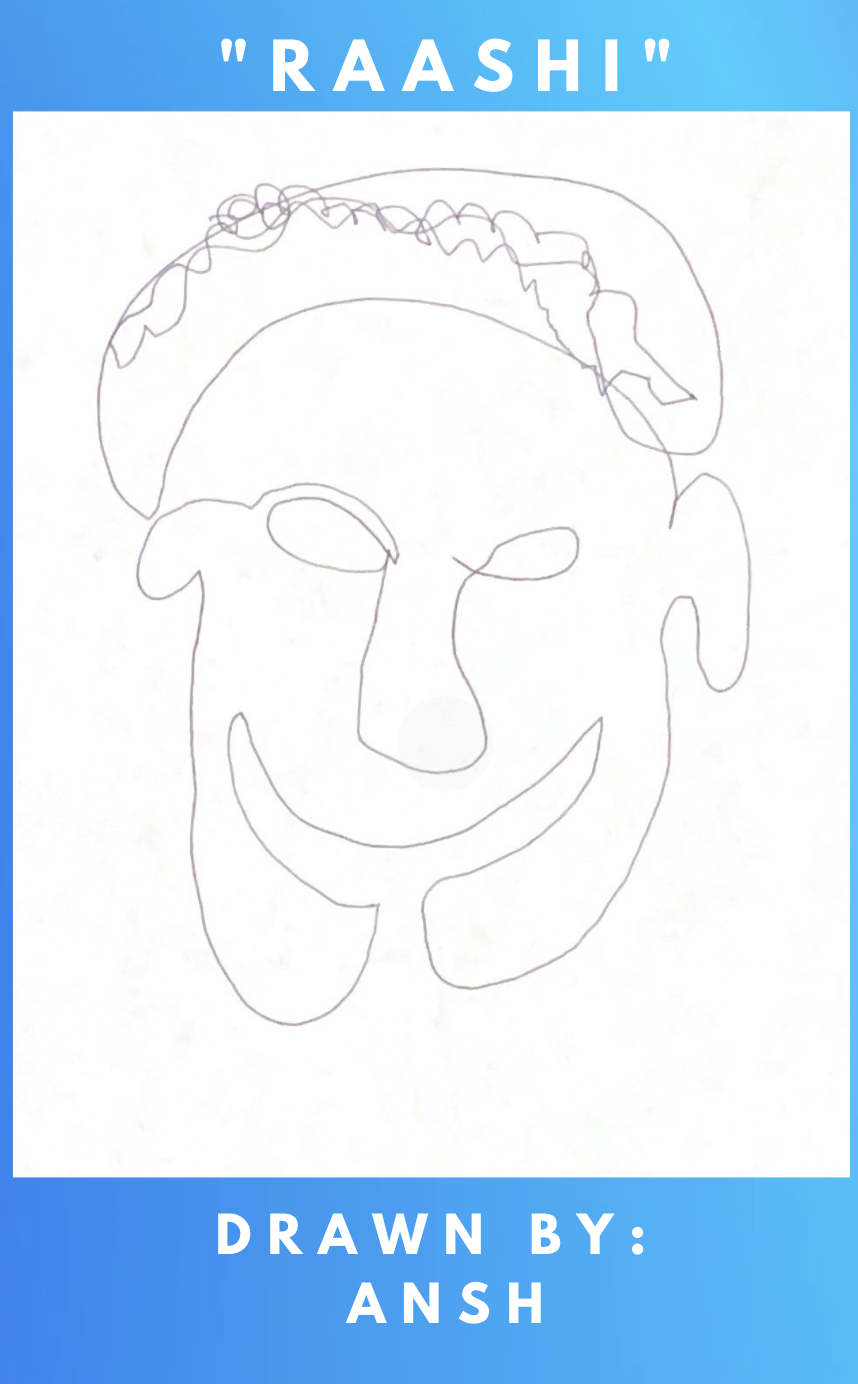
A quick and easy date night idea to build a healthy relationship. Here’s what you need 1️⃣ 2 pieces of paper 2️⃣ 2 pens 3️⃣ 60 seconds with your partner All you have to do is look into your partners eyes and draw them. There are 2 simple rules ✍️ Draw a single continuous line without lifting the pen from the paper 👁️ Maintain eye contact for 60 seconds Our inspiration for the activity was from a Ted Talk given by Wendy MacNaughton – The art of paying attention. In an invitation to slow down and look at the world around you, the graphic journalist illustrates how drawing can spark deeply human, authentic connections. Ready to try? Grab a pencil and join MacNaughton for her delightful talk. "Drawing is looking, and looking is loving," she says. Link below 🔗 https://www.ted.com/talks/wendy_macnaughton_the_art_of_paying_attention LoVita – Love Vitamins for a healthier is a community by Partners for Partners. We share stories about how Partners are working intentionally toward building a healthier relationship. To learn more check out the links below 🔗 All below links in a single page  – https://linktr.ee/lovitalovevitamins Website – https://lovita.blog Newsletter – https://mailchi.mp/81f58463e76b/subscribe Instagram – https://www.instagram.com/lovitalovevitamins Facebook – https://www.facebook.com/lovitalovevitamins

Activity

All you have to do is look into your partners eyes and draw them.

Thing you need

1️⃣ 2 pieces of paper
2️⃣ 2 pens
3️⃣ 60 seconds with your partner

There are 2 simple rules

✍️ Draw a single continuous line without lifting the pen from the paper
👁️ Maintain eye contact for 60 seconds

Wanna see what we ended up drawing?

According to Research, the exposure or mere-exposure effect is a psychological artifact which states people express undue liking for things merely because they are familiar with them

Our Takeaways

  • Focus on looking into your partners eyes and pay attention to the details. The activity is trying to inspire intentionality and attention towards your partner in a shared experience.
  • It’s hard to maintain eye contact for that long but the mind keeps drifting away cause it loves to wander. The activity gives you an opportunity to look at each other and take a not of the details. This allows one to see specifics that you would not see otherwise.

Inspiration

Our inspiration for the activity was from a Ted Talk given by Wendy MacNaughton – The art of paying attention. In an invitation to slow down and look at the world around you, the graphic journalist illustrates how drawing can spark deeply human, authentic connections. Ready to try? Grab a pencil and join MacNaughton for her delightful talk. “Drawing is looking, and looking is loving,” she says.

Skip the Beat – Wabi Sabi – Embracing Imperfection in Relationships

Skip the Beat – Wabi Sabi – Embracing Imperfection in Relationships Love Vitamins for Life

In this episode, of "Skip the Beat", we talk about Embracing Imperfection in Relationships Great Relationships are not born, they are made Takeaways Lead with honesty; true emotions always find a way to leak Find your peace with imperfections; lead with curiosity so you can take a second look at things you might automatically dismiss Give yourself and your partner permission to be imperfect without sweeping into quick judgment We talk about emotional leakage in your relationships. How best to manage this and communicate with our partners? The best way to dig deep into our anxieties and our needs for having everything “perfect” is to lead with curiosity. We talk about the middle path between the extremes of lying to keep your partner happy or being honest and possibly hurting your partner. Things are rarely perfect, and that’s exactly what makes them perfect in relationships. Learn more on how to find the perfect moments, acceptance in imperfection, and appreciate these moments to find joy and happiness. This will help your partnership develop the capacity to hold the space so that your partner can flourish in all the ways they have desired outside of judgment. Set yourself free of the concepts of duality like, right or wrong. Dig deeper into layers to find what it is that brings us joy and happiness in our relationship. To live fully and abundantly is the most beautiful opportunity that life provides. Work on creating a partnership, to encourage and empower each other to explore and wonder without judgment. Remember, you are perfect in every imperfect moment and so is your partner. And when you find something imperfect, seek out the perfect moment to communicate and share with your partner your feelings. LoVita – Love Vitamins for a healthier is a community by Partners for Partners. We share stories about how Partners are working intentionally toward building a healthier relationship. To learn more check out the links below 🔗 All below links in a single page  – https://linktr.ee/lovitalovevitamins Website – https://lovita.blog Newsletter – https://mailchi.mp/81f58463e76b/subscribe Instagram – https://www.instagram.com/lovitalovevitamins Facebook – https://www.facebook.com/lovitalovevitamins

Inspiration
Wabi Sabi is the view or thought of finding beauty in every aspect of imperfection in nature.

Themes

  • Embracing Imperfection in Relationships
  • Great Relationships are not born, they are made

Takeaways

  • Lead with honesty; true emotions always find a way to leak
  • Find your peace with imperfections; lead with curiosity so you can take a second look at things you might automatically dismiss
  • Give yourself and your partner permission to be imperfect without sweeping into quick judgment

Discussion

We talk about emotional leakage in your relationships. How best to manage this and communicate with our partners? The best way to dig deep into our anxieties and our needs for having everything “perfect” is to lead with curiosity.

We talk about the middle path between the extremes of lying to keep your partner happy or being honest and possibly hurting your partner.

Things are rarely perfect, and that’s exactly what makes them perfect in relationships. Learn more on how to find the perfect moments, acceptance in imperfection, and appreciate these moments to find joy and happiness.

This will help your partnership develop the capacity to hold the space so that your partner can flourish in all the ways they have desired outside of judgment. Set yourself free of the concepts of duality like, right or wrong. Dig deeper into layers to find what it is that brings us joy and happiness in our relationship.

To live fully and abundantly is the most beautiful opportunity that life provides. Work on creating a partnership, to encourage and empower each other to explore and wonder without judgment.

Remember, you are perfect in every imperfect moment and so is your partner. And when you find something imperfect, seek out the perfect moment to communicate and share with your partner your feelings.

Skip the Beat – Ndini – Self Identity in Relationships

Skip the Beat – Ndini – Self Identity in Relationships Love Vitamins for Life

In this episode, of "Skip the Beat", we talk about Self Identity in a relationship The balance between Sharing vs Controlling Setting healthy boundaries in your relationship Takeaways How others see us is crucial for our self-identity; start by understanding your beliefs and then share what you learn and know. Remain adaptable; acknowledge that your identity is malleable and that conflicts aren’t bad – just opportunities for curiosity and growth. Regardless of how you are received when you share your truth, stand by your boundaries Before you can share with your partner what you want, there is a lot of self-identity work that is needed to be done to answer how you are and who you want to be. Doing identity work, we start to realize that identity as a concept is quite malleable, it’s quite fluid. Looking at it in terms of “this or that” is very reductionist. Identity is more of an amalgamation or a culmination of different moving parts. To discover the fine balance of how much and when to share in a new relationships Digest and discern what are the important things to share Start to build a foundation of mutual respect and understanding by sharing in small doses and using curiosity to ask questions Start with – Sit with yourself, and identity, what are those non-negotiable boundaries within you? What are the things that you don’t know you can’t function without? Navigating the fine line between controlling and letting go can be tricky. We often feel like we have to give something to get something. By transforming our ORs into ANDs, we can change this negotiation in our favor. Start having these conversations with yourself, to understand where our boundaries start and when it gets to sacrifice. To build a healthy partnership, work on laying down the foundation for your relationship so difficult conversations don’t have to be hard ones and can be everyday, honest and real conversation. Building a healthy relationship requires hard work and being intentional about normalizing such difficult conversations. LoVita – Love Vitamins for a healthier is a community by Partners for Partners. We share stories about how Partners are working intentionally toward building a healthier relationship. To learn more check out the links below 🔗 All below links in a single page  – https://linktr.ee/lovitalovevitamins Website – https://lovita.blog Newsletter – https://mailchi.mp/81f58463e76b/subscribe Instagram – https://www.instagram.com/lovitalovevitamins Facebook – https://www.facebook.com/lovitalovevitamins

Inspiration
A word from the Shona language in Zimbabwe, Ndini, that translates to “this is me” in English.

Themes

  • Self Identity in a relationship
  • Balance between Sharing vs Controlling
  • Setting boundaries

Takeaways

  • How others see us is crucial for our self-identity; start by understanding your beliefs and then share what you learn and know.
  • Remain adaptable; acknowledge that your identity is malleable and that conflicts aren’t bad – just opportunities for curiosity and growth.
  • Regardless of how you are received when you share your truth, stand by your boundaries 

Discussion

Before you can share with your partner what you want, there is a lot of self-identity work that is needed to be done to answer how you are and who you want to be.

Doing identity work, we start to realize that identity as a concept is quite malleable, it’s quite fluid. Looking at it in terms of “this or that” is very reductionist. Identity is more of an amalgamation or a culmination of different moving parts.

To discover the fine balance of how much and when to share in a new relationships

  1. Digest and discern what are the important things to share
  2. Start to build a foundation of mutual respect and understanding by sharing in small doses and using curiosity to ask questions

Start with – Sit with yourself, and identity, what are those non-negotiable boundaries within you? What are the things that you don’t know you can’t function without?

Navigating the fine line between controlling and letting go can be tricky. We often feel like we have to give something to get something. By transforming our ORs into ANDs, we can change this negotiation in our favor. Start having these conversations with yourself, to understand where our boundaries start and when it gets to sacrifice.

To build a healthy partnership, work on laying down the foundation for your relationship so difficult conversations don’t have to be hard ones and can be everyday, honest and real conversation. Building a healthy relationship requires hard work and being intentional about normalizing such difficult conversations.

Skip the Beat – Nawantiti – Small Love

Takeaways

  • Play with all intensities of showing love: show love in big moments and show love in everyday moments
  • Show love often. We don’t have to wait for a big moment to show love. Love is an action – when we show love in everyday moments, we receive the opportunity to build a home that is filled with love.

The moment of celebration should be special. We should make our partners feel like they are loved. Celebrating every day does not and should not detract from celebrating the special events and milestones. Instead, it is about adding to the celebration we do every day. The craving for giving love and receiving love can be fulfilled every day, we don’t need to wait for the big moments to express it.

Two things to consider here are

  1. How – Intensity – how grand of a gesture you want your display of love to be
  2. When – Frequency – how often do you want to share your love

Traditionally, the norm has been about High Intensity and Low Frequency, celebrating love every day is about Low intensity and High frequency.

Planned spontaneity can help ease some of the anxiety that might revolve around planning surprises too often or not, based on how your partner defines what that frequency is.

If you are requesting a form of love, be willing to show that form of love. Starting with self-love, if showing love that you would like to get from someone else, seems challenging as well.